Source Customized Pvc Rice Cooker Thermistor for Appliances
Find 30 options for customized pvc rice cooker thermistor components. Compare resistive sensing types, IP ratings, and wirewound production processes for rice cookers, water dispensers, and coffee makers to ensure precise temperature control and reliable performance in household electric appliances.
Key considerations
Products List


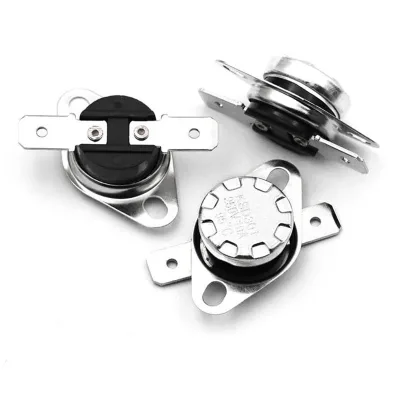


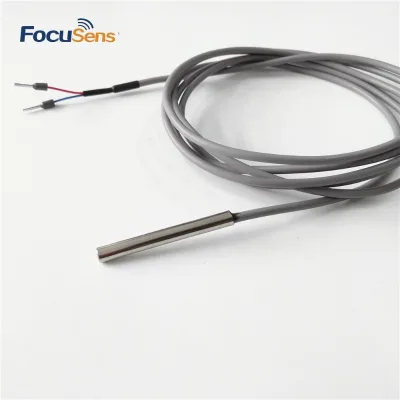
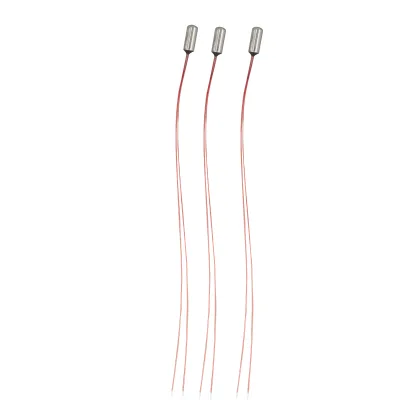
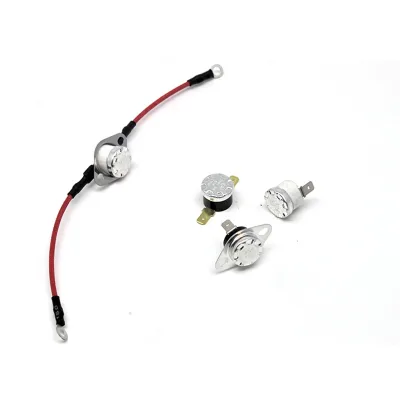


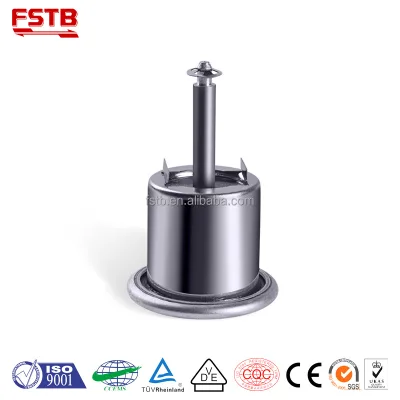


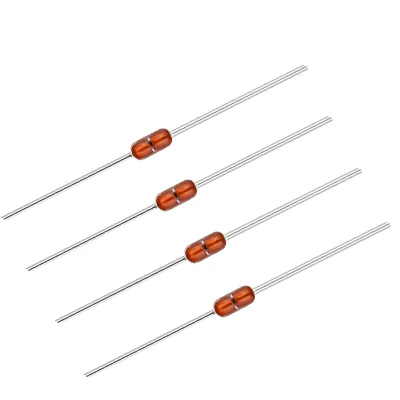


Comprehensive Sourcing Guide
Customized PVC Rice Cooker Thermistor Sourcing Guide
Buyers seeking customized PVC rice cooker thermistors must first align their specific thermal requirements with the observed market signals, which indicate a product range spanning from 0.04 to 8 USD per unit. The supply landscape reveals a diverse array of options with Minimum Order Quantities (MOQs) varying significantly from single units to 3000 pieces, necessitating a clear assessment of volume needs before engaging suppliers. This variability suggests that small-batch prototyping and large-scale production runs are both feasible, but the commercial terms will differ drastically depending on the chosen quantity tier.
Procurement strategies should prioritize suppliers who explicitly offer customization for cable materials, specifically PVC and XLPE, as these are the documented options available in the current listings. The observed product attributes confirm that resistance values typically fall between 1 and 100 kilohms, with accuracy ratings generally ranging from 1% to 5%. Buyers must verify if the specific supplier can meet these resistance and accuracy targets while simultaneously accommodating custom dimensions, as the standard export packing and production processes are often fixed to the supplier's existing capabilities.
Product Scope and Observed Listing Signals
The core product scope encompasses temperature sensors designed primarily for household electric appliances, with rice cookers being the most frequently cited application in the available data. These devices function as contact-type resistive sensors, often utilizing a normal wirewound production process to ensure stability under thermal stress. The observed listings indicate that the sensing medium is strictly temperature, and the output signal type is analog, which is critical for integration into standard control circuits found in modern kitchen appliances.
Market signals also highlight a broad operational temperature range, with some units rated for environments between -40 and +280 degrees Celsius, suggesting suitability for high-heat cooking cycles. The physical construction often involves stainless steel materials to ensure durability and corrosion resistance within the appliance housing. Buyers should note that while some listings mention specific models like JLB-CWF or DFG-A, the primary value proposition lies in the ability to customize the product model and dimensions to fit unique internal appliance geometries.
Technical Specifications to Verify
When evaluating technical specifications, the rated voltage and current capabilities must be confirmed against the specific electrical load of the target appliance, as listings show customized ratings rather than a single universal standard. The maximum rated power observed in the data reaches up to 45MW, a figure that requires careful contextual verification to ensure it aligns with the actual thermal dissipation needs of the rice cooker thermostat. Buyers should request detailed datasheets that explicitly map the resistance curve to the temperature range to prevent control loop instability during operation.
Installation methods and physical interfaces are equally critical, with some products specified for DIP resistor installation while others may require different mounting configurations. The cable composition is a key variable, with options including customized made, PVC, or XLPE insulation, each offering different thermal and chemical resistance properties. Procurement teams must verify the IP rating, noting that observed data contains mixed entries like "IPMeasuring Medium:Temperature," which indicates a need for clarification on the actual ingress protection level to ensure the sensor can withstand the humid and hot environment of a rice cooker.
Compliance and Safety Documentation
Compliance verification is paramount, as the observed listings cite multiple certifications including RoHS, ISO9001, IATF16949, and Reach, which are essential for exporting to regulated markets. Buyers must ensure that the specific batch of thermistors being purchased carries valid certificates for these standards, as the presence of a certification on a general product page does not guarantee that every unit in a custom order meets the same rigorous criteria. The CE marking is also mentioned in some contexts, requiring confirmation that the electrical safety and electromagnetic compatibility requirements are met for the target region.
Safety documentation should also address the warranty terms, which are observed to be typically 12 months or one year, providing a baseline for liability and quality assurance. The production origin, often cited as Zhaoqing or Zhejiang in China, should be cross-referenced with the supplier's ability to provide traceability for the raw materials used, particularly the stainless steel and cable insulation. Buyers should insist on a Certificate of Conformity that explicitly links the batch number to the specific certifications claimed, ensuring that the customized PVC components do not introduce hazardous substances into the food-contact appliance.
Cost Drivers and Commercial Terms
Cost drivers for customized PVC rice cooker thermistors are heavily influenced by the degree of customization required, particularly regarding cable length, insulation material, and resistance values. The observed price range of 0.04 to 8 USD suggests that standard configurations are significantly cheaper than fully bespoke units, which may involve additional tooling or setup fees. Buyers should anticipate that the MOQ of 500 pieces, as seen in some listings, is a common threshold for securing the lower end of the price spectrum, while smaller orders may incur a premium per unit.
Commercial terms must also account for the supply ability, with some suppliers claiming a capacity of 100,000 pieces per month, which is vital for maintaining consistent inventory levels. The port of dispatch, often Ningbo Port, and the packaging details, such as plastic bags and cartons or pallets, will impact the final landed cost and logistics planning. Buyers should negotiate lead times carefully, as the production process for normal wirewound sensors may vary in duration depending on the complexity of the custom dimensions and the current order backlog at the manufacturing facility.
Supplier Qualification and Quality Control
Supplier qualification should focus on verifying the production process and quality control systems, specifically looking for ISO9001 and IATF16949 certifications which indicate a mature manufacturing environment. The observed data mentions a life time of at least 30,000 cycles, a metric that requires independent validation through sample testing to ensure the supplier's claims are accurate and not merely marketing assertions. Buyers should request a quality control plan that details how the 1-5% accuracy tolerance is maintained across the entire production run, especially for customized resistance values.
Quality control checks must also include a review of the packaging and shipping protocols to prevent damage during transit, as the products are often packed in standard export cartons or plastic bags. The supplier's ability to provide a warranty of 12 months or one year is a strong indicator of their confidence in product longevity, but this should be backed by a clear process for handling returns or replacements. Procurement teams should audit the supplier's facility or request third-party inspection reports to confirm that the stainless steel materials and cable insulation meet the specified standards before mass production begins.
Long-Term Procurement Checks
Long-term procurement checks should prioritize the stability of the supply chain, ensuring that the supplier can consistently meet the 100,000 pieces per month supply ability without compromising on quality or lead times. Buyers must establish a mechanism for periodic re-verification of certifications, as regulatory requirements for RoHS, Reach, and CE can evolve, potentially rendering existing stock non-compliant if not managed proactively. Regular audits of the production process are necessary to confirm that the normal wirewound method remains consistent and that the customized dimensions do not drift from the approved specifications.
Performance monitoring should include tracking the actual field failure rates of the thermistors in the rice cookers, comparing them against the claimed 30,000-cycle life time and 1-5% accuracy. If the product is used in diverse applications like water dispensers or coffee makers, the supplier must demonstrate that the sensor maintains its performance across these varied thermal environments. Establishing a long-term partnership requires clear communication channels for addressing any deviations in the product attributes, such as changes in cable material or resistance values, to ensure the final appliance continues to operate safely and efficiently.
FAQs
What is the available temperature range for these sensors?
The available temperature range is -40 to +280 degrees Celsius. This wide span supports diverse applications including rice cookers and water heaters. The resistive sensing type ensures accurate readings across this spectrum. Buyers should verify specific model limits for extreme conditions. The stainless steel material provides durability against thermal stress during continuous operation.
Can I get customized cable options for these thermistors?
Yes, customized cable options are available for these thermistors. Buyers can choose between PVC and XLPE materials for the cable insulation. The production process allows for normal wirewound configurations with customized dimensions. This flexibility ensures the sensor fits specific appliance designs. Contact the supplier to confirm exact cable length and connector requirements.
What certifications do these temperature sensors hold?
These temperature sensors hold RoHS, CE, ISO9001, IATF16949, and Reach certifications. These credentials confirm compliance with international safety and quality standards. The RoHS certification ensures the product is free from hazardous substances. Buyers in regulated markets can rely on these documented certifications for import clearance and product safety validation.
What is the typical accuracy of these resistive sensors?
The typical accuracy of these resistive sensors is between 1% and 5%. This precision level is suitable for household appliances like rice cookers. The analog output signal type allows for straightforward integration into control circuits. Buyers requiring tighter tolerances should request specific model data sheets. The accuracy ensures reliable temperature monitoring during cooking and heating processes.
What is the minimum order quantity for these parts?
The minimum order quantity varies, with observed values ranging from 1 to 3000 units. Some listings specify an MOQ of 500 pieces for certain models. Buyers should check individual supplier profiles for exact MOQ requirements. Bulk orders may offer better pricing tiers. The flexible MOQ allows small businesses to test products before committing to large volumes.
Where are these rice cooker thermistors manufactured?
These rice cooker thermistors are manufactured in China, specifically in Zhaoqing and Zhejiang regions. The products are exported via ports like Ningbo. The standard export packing ensures safe transit. Buyers should verify the specific origin for each supplier. The Chinese manufacturing base offers competitive pricing and established supply chains for electronic components.